Trip to San Gimignano
The day before the wedding we are gathering for a group visit to San Gimignano. Because since you are already in Tuscany, it would be a shame not to see one of its most iconic towns.
Departure from Il Gattero: around 7:30 / Arrival in San Gimignano: around 8:30. Yes, it is early, but there is a good reason for it. By arriving before 9:00 you will avoid the crowds of day-trippers and easily find a parking spot right by the walls at P2 Montemaggio. After 9:00 the car parks tend to fill up completely, and driving around in circles looking for a space does nobody's mood any good.
Also keep in mind the ZTL zone. You cannot drive into the historic centre by car.
P1 Giubileo
located approximately 10 to 15 minutes on foot from the centre
P2 Montemaggio
closest to the city gate, but fills up the fastest.
P3 Bagnaia
with a lift making it easier to reach the upper parts of the town
When and how much?
Date: 9 September
Time: we're leaving around 7:30
Journey time: 40-50 min
Price: 0 € / person
🥐 Breakfast
it is worth eating early in the morning or waiting until you get there. The choice is yours. If you prefer to eat in San Gimignano, I have listed a few tried and tested places below.
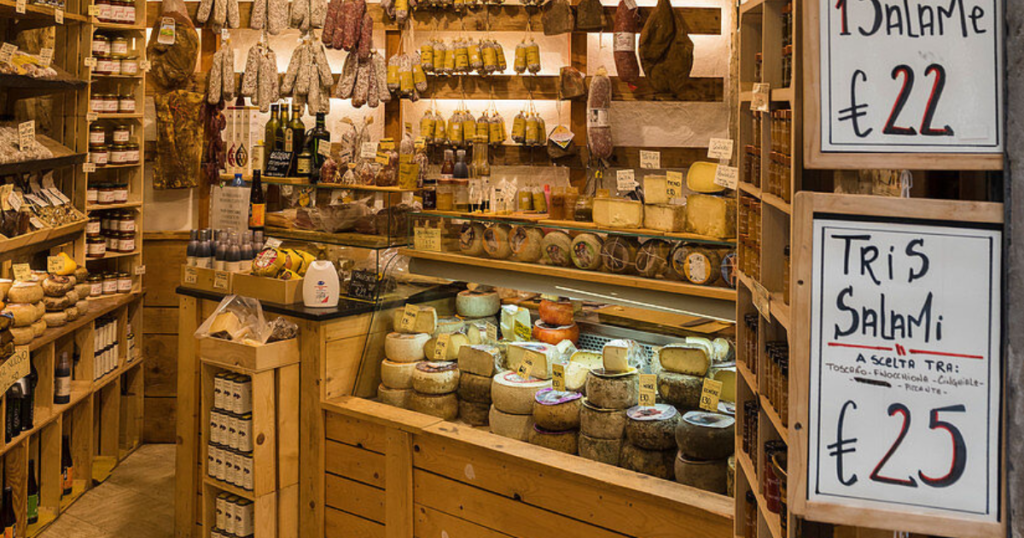
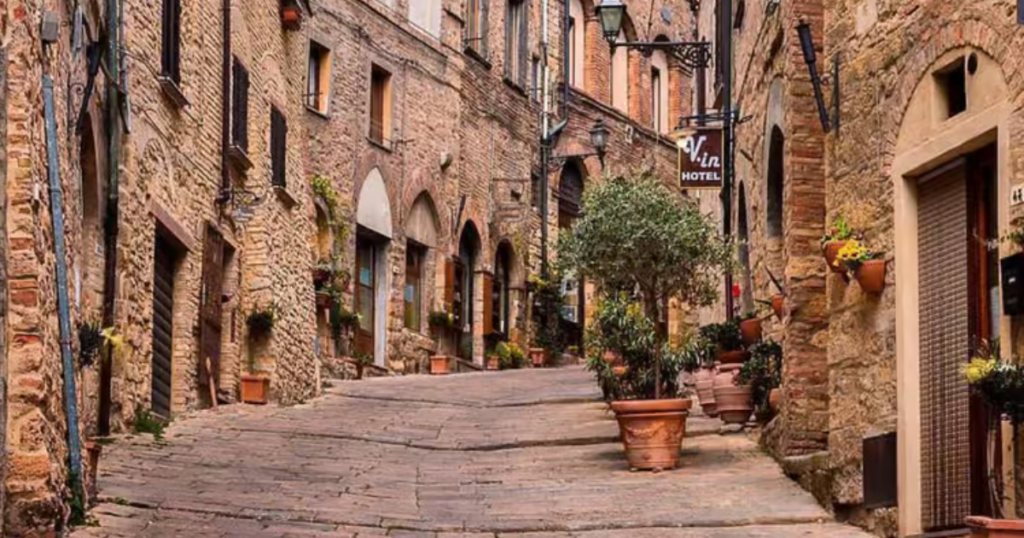
A Brief History of San Gimignano
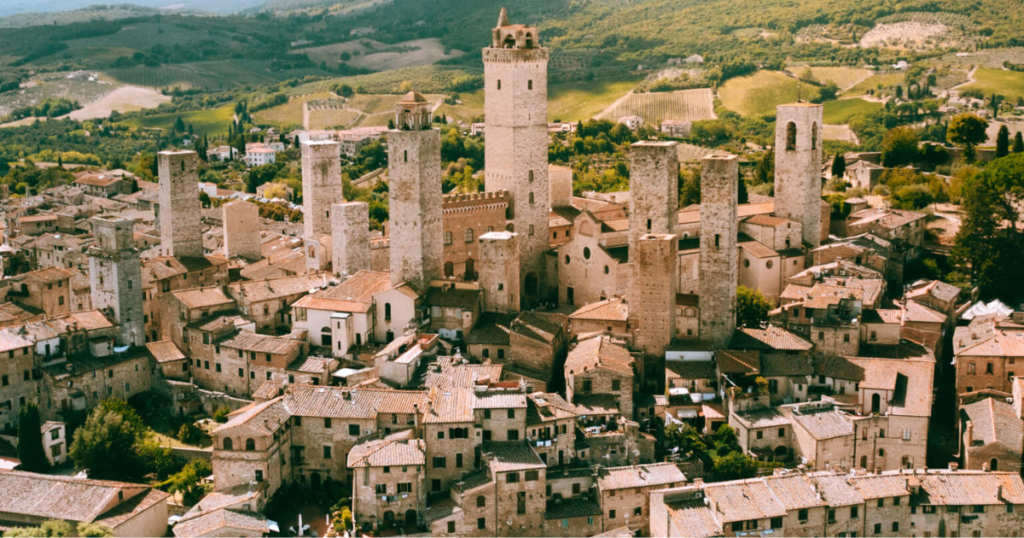
San Gimignano looks like a town someone left in a freezer in the 14th century. And in a sense, that is exactly what happened. In the Middle Ages and the Renaissance, the town was a stop for Catholic pilgrims on their way to Rome and the Vatican, lying along the medieval Via Francigena. Its growth was driven by trade in products from the surrounding fertile hills, particularly saffron, used in cooking and for dyeing fabrics, and Vernaccia wine, which was said to "inspire" popes and poets.
In 1199 the town gained independence from the bishops of Volterra and established its own podestà. But the peace did not last long. Over the following two centuries the town was torn apart by conflict between the Guelphs and the Ghibellines and by family rivalries, which led competing families to build towers of ever greater height.
What is the deal with all those towers?
And here is where the best part of the story begins: by the end of the Middle Ages, the town had as many as 72 towers, some reaching 70 metres in height. All of this simply to show which family had more money and power. The rivalry was so fierce that in 1255 the town council passed a law prohibiting the construction of towers taller than the Torre Rognosa, which was the council's own tower, standing at 52 metres. In short: the medieval equivalent of "my house is bigger than yours", only in vertical form and on steroids.
The Medieval Manhattan
The town continued to grow until 1348, when the Black Death struck, taking approximately half of its population. The town submitted to the rule of Florence, and many of the towers were reduced to the height of ordinary houses. From that point on, development practically came to a halt, and it is precisely for this reason that San Gimignano survived in an almost unchanged form until the 19th century, when it began to be appreciated as a tourist and artistic destination.
Of the original 72 towers, 14 survive today, and it is these that create the famous silhouette visible from afar, which earned San Gimignano the nickname "the Manhattan of the Middle Ages".
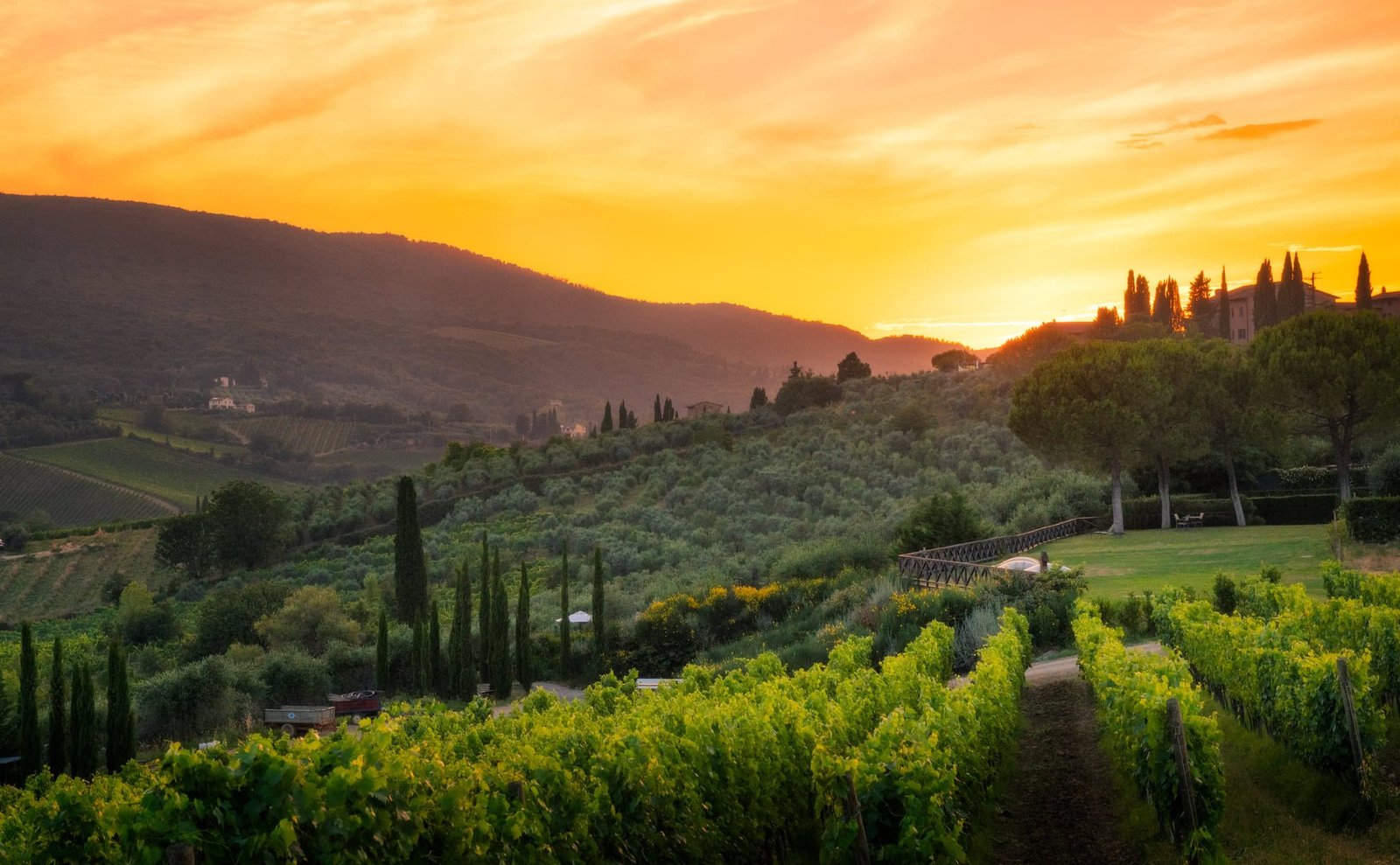
Gdzie zjeść w San Gimignano
Co warto zobaczyć
Piazza della Cisterna and Piazza del Duomo — the two main squares of the town, connected and surrounded by towers. Piazza della Cisterna has a triangular shape and a well in the centre. It is the most photographed spot in town.
Torre Grossa — the tallest of the surviving towers, 54 metres, built between 1300 and 1311. Climbing to the top means 218 steps, but the view over the rooftops, hills and remaining towers makes the breathlessness worth it. Tickets must be purchased.
Collegiata di Santa Maria Assunta (Duomo) — an interior full of frescoes from the 14th and 15th centuries. A ticket must be purchased and it also includes access to the Chapel of Saint Fina.
Rocca di Montestaffoli — the ruins of a fortress at the highest point of the town, surrounded by vine gardens. Free entry and one of the best viewpoints over the surrounding countryside.
Torre del Diavolo (Devil's Tower) — according to legend, its owner returned from a journey to find the tower had grown taller in his absence, and was convinced it was the work of the devil. A good story to tell while taking a photo.
What to Do
Wander without a plan through the side streets, away from the main drag — that is where it is quietest.
Stop by Galleria Continua — a contemporary art gallery housed in an old cinema, completely unexpected in a medieval town.
Try the gelato at one of the local gelaterias — this is one of those towns where it is genuinely worth it.
What to Buy
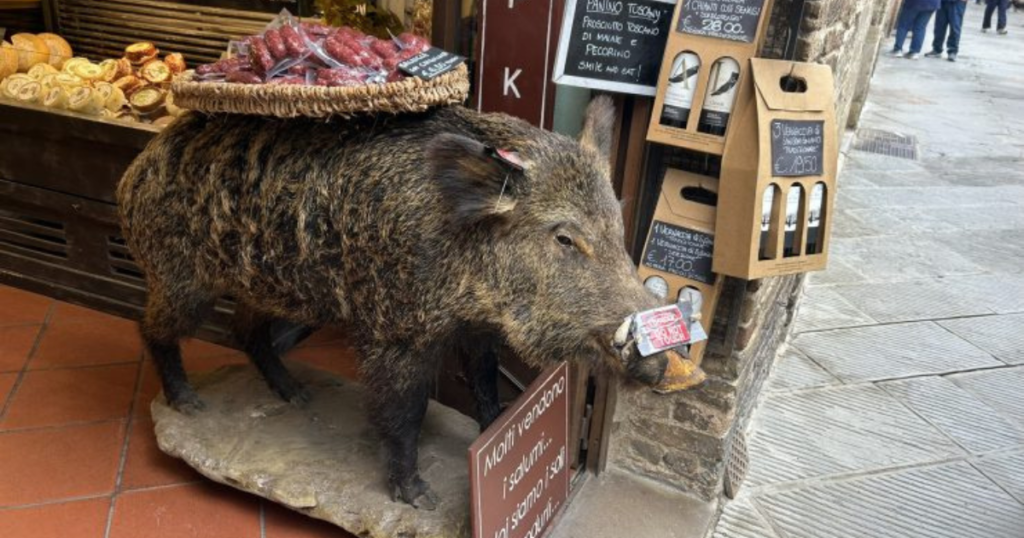
Vernaccia di San Gimignano — a white wine, the only DOCG in this part of Tuscany, produced exclusively here.
Saffron — a local speciality since the Middle Ages, sold in small boxes in shops with local produce.
Truffle oil — black or white, depending on your preference. Wine and olive oil shops are everywhere in the centre.
Practical Information